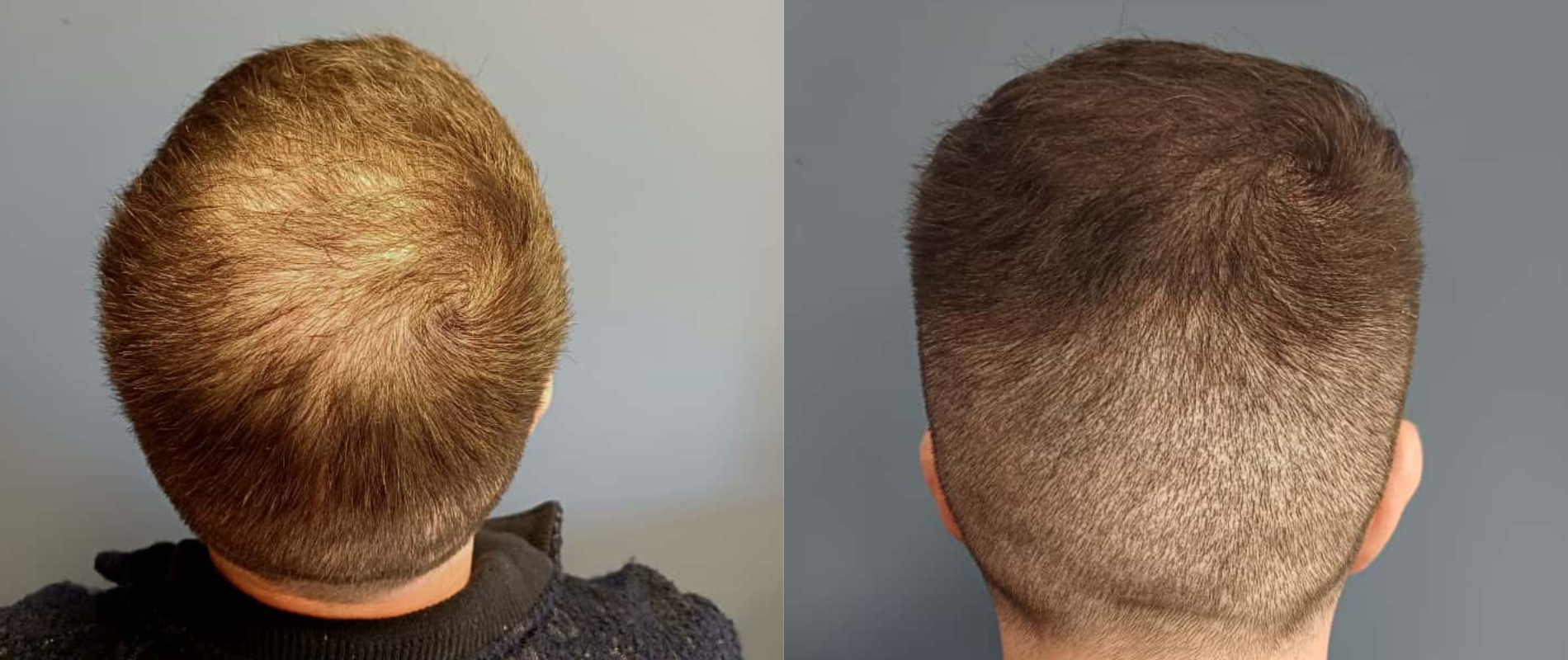

PRP, PRF or SMP? Which Hair Loss Treatment Is Right for You?
This article compares PRP, PRF and scalp micropigmentation (SMP) as non-surgical hair loss treatments, explaining which may be suitable for thinning hair, widening partings, receding hairlines and more advanced hair loss. PRP and PRF aim to support existing hair growth, while SMP creates the appearance of greater density or closely shaved hair without encouraging regrowth. It explains the differences between these treatments, what affects suitability, expected results, treatment costs and sessions, and how Your Hair Clinic in Nottingham helps clients explore their options during a free consultation.
Find Out Whether Your Hair Could Benefit From Growth Support, Better Scalp Coverage or a Shaved Look That Suits You
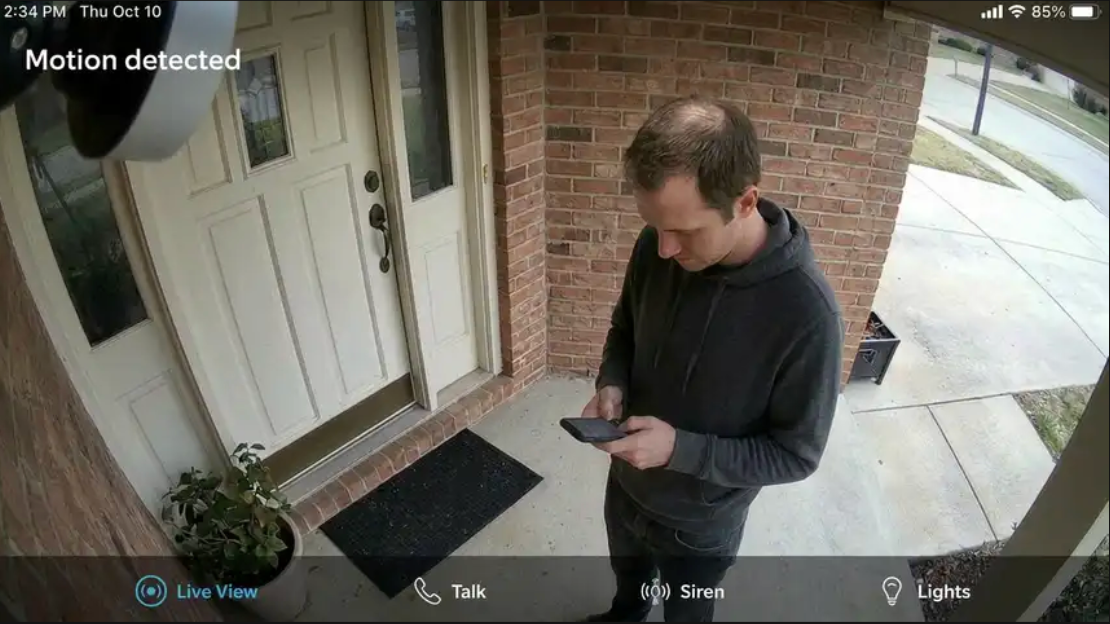
You might still have a decent amount of hair, but your scalp is becoming easier to see, particularly around your crown or parting.
Or perhaps your hairline has receded enough that you're beginning to wonder whether trying to grow more hair is even the right approach.
If you've been looking into treatment, you've probably come across PRP, PRF and scalp micropigmentation (SMP). But knowing which of these could actually help with your hair is another matter.
Would improving the thickness of your existing hair make enough of a difference?
Could SMP make your crown look fuller without changing your hairstyle?
And if your hair loss has progressed further, would a shaved look give you a more convincing result?
At Your Hair Clinic in Nottingham, we offer all three treatments.
Before spending money on any of them, it's worth understanding what they can achieve, where their limitations lie and how your current hair loss affects the decision.
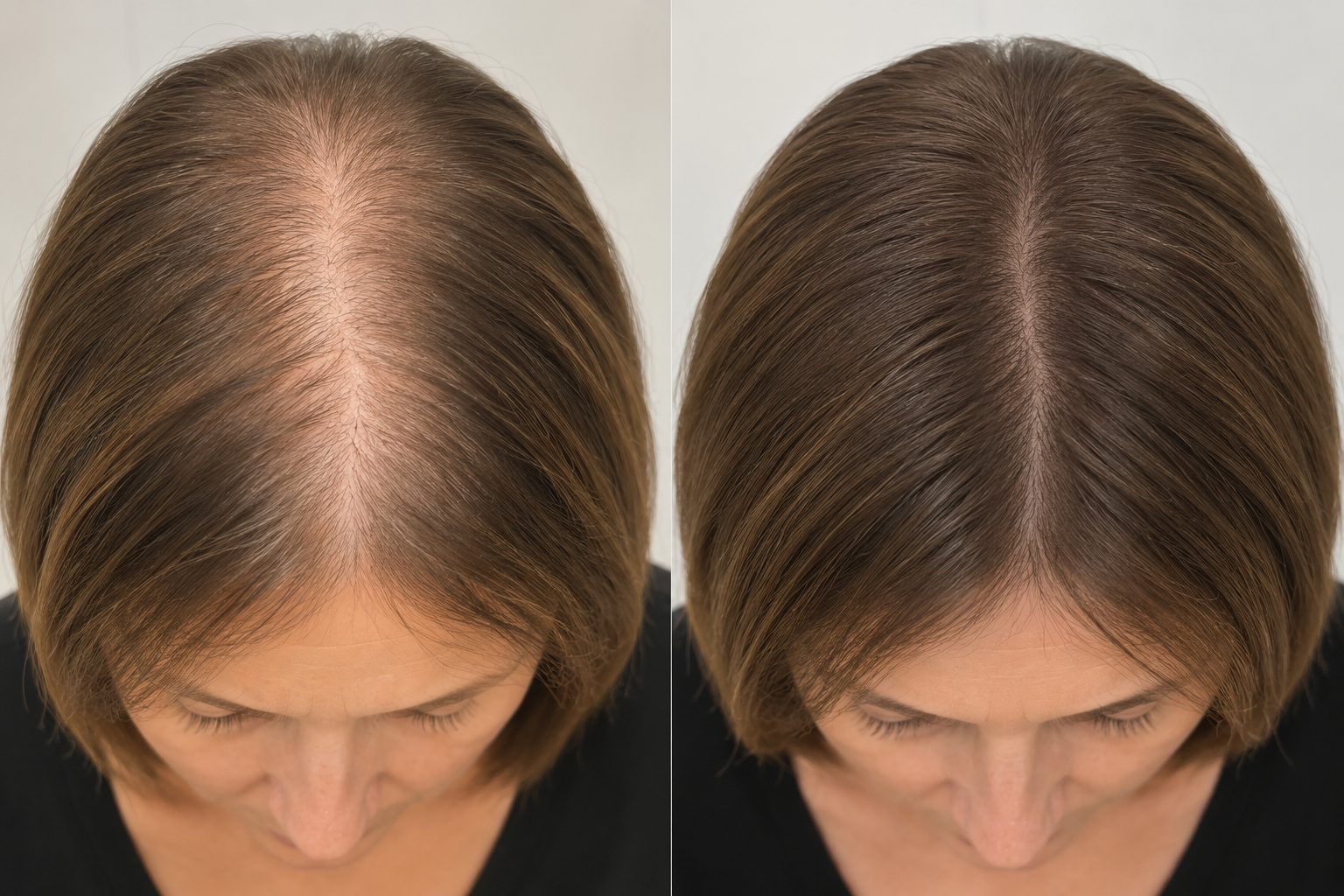
See Which Treatment May Suit Your Hair Loss, What Your Hair Clinic Would Assess and What Difference You Could Expect
PRP and PRF aim to support growth from existing hair follicles.
SMP uses specialist pigmentation to improve how the scalp looks beneath your hair or recreate the appearance of closely shaved follicles.
| What you're noticing or wondering | What we'd assess at Your Hair Clinic | Treatment worth exploring | What a good result should mean for you |
|---|---|---|---|
| My hair is getting finer, but I still have plenty of it. | Your thinning pattern, whether growth-support treatment may be suitable and whether medical assessment is needed. | PRP or PRF | Potentially improved hair growth or thickness over time while keeping your existing hairstyle. |
| Is PRF worth paying more for than PRP? | Whether either treatment is appropriate and what evidence supports the expected benefits. | PRP or PRF | A treatment plan that doesn't assume the more expensive option will produce better results. |
| My crown looks fine in some mirrors, but you can see my scalp under bright lights. | How much hair remains, where the scalp shows through and whether pigmentation would blend with your existing hair. | Density SMP | Less visible scalp through the crown, with enough surrounding hair to help the pigmentation blend. |
| I want to keep my longer hair, but my parting keeps looking wider. | How your hair sits and separates, existing coverage and whether pigmentation could become visible when you restyle it. | Density SMP or PRP/PRF, where suitable | Improved coverage or hair thickness without having to change how you wear your hair, where achievable. |
| I've lost too much hair to keep styling around it. Would a shaved look suit me? | Your hair loss pattern, face shape, remaining hair and the hairline and pigment density needed for a believable result. | Full-head SMP | The appearance of closely shaved hair with a hairline designed around your face and age. |
| What if my hair keeps thinning after treatment? | How future hair loss could affect coverage and whether additional or combined treatment may be appropriate. | An individual or combined approach | A plan that accounts for possible future changes rather than focusing solely on the initial result. |

Understand What These Treatments May Do for Existing Hair, How Results Develop and Whether PRF Is Worth the Higher Price
PRP (Platelet-Rich Plasma) uses a small sample of your blood, processed to concentrate platelets before the preparation is injected into areas of thinning hair.
PRF (Platelet-Rich Fibrin) works similarly but contains a fibrin structure that allows growth factors to be released more gradually.
Both treatments aim to support existing follicles and may improve hair growth or thickness in suitable people.
Neither can reliably restore hair where follicles are permanently inactive.
So why might you choose PRF when it costs more than PRP?
PRF releases growth factors more gradually than PRP, offering a different approach to supporting existing hair follicles.
Both treatments have the potential to improve hair growth and thickness, with the most suitable option depending on your individual hair loss.
At Your Hair Clinic, PRP starts at £250 per session and PRF at £320. You can explore our PRP and PRF treatments, including the available courses, to get a better idea of what each involves.
During your consultation, we'll discuss the changes you'd like to see, which treatment may suit your hair and how a course of sessions could support gradual improvements in growth and thickness over the following months.
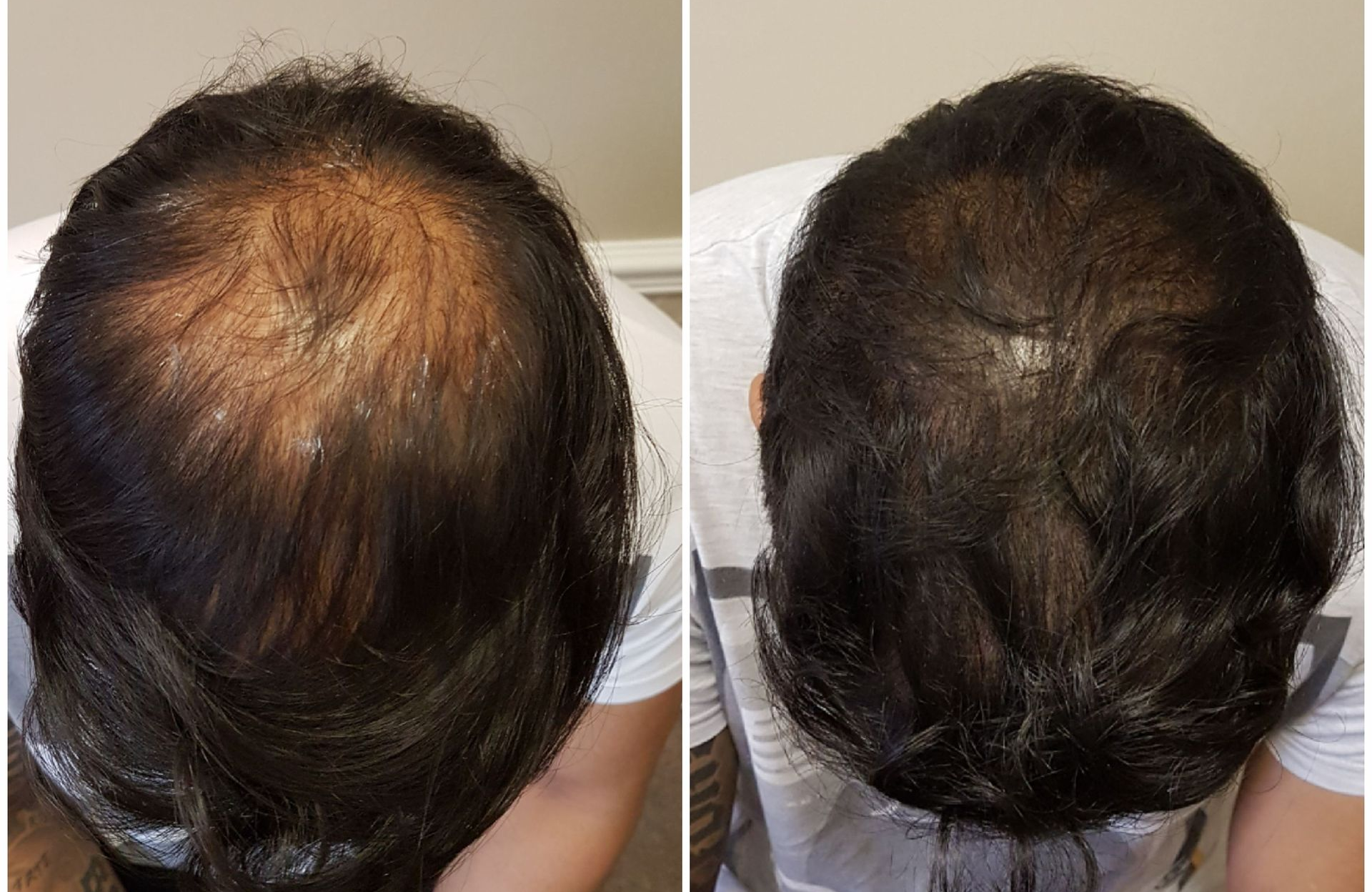
See How Density SMP Can Reduce Visible Scalp and When a Shaved-Head Result May Look More Natural
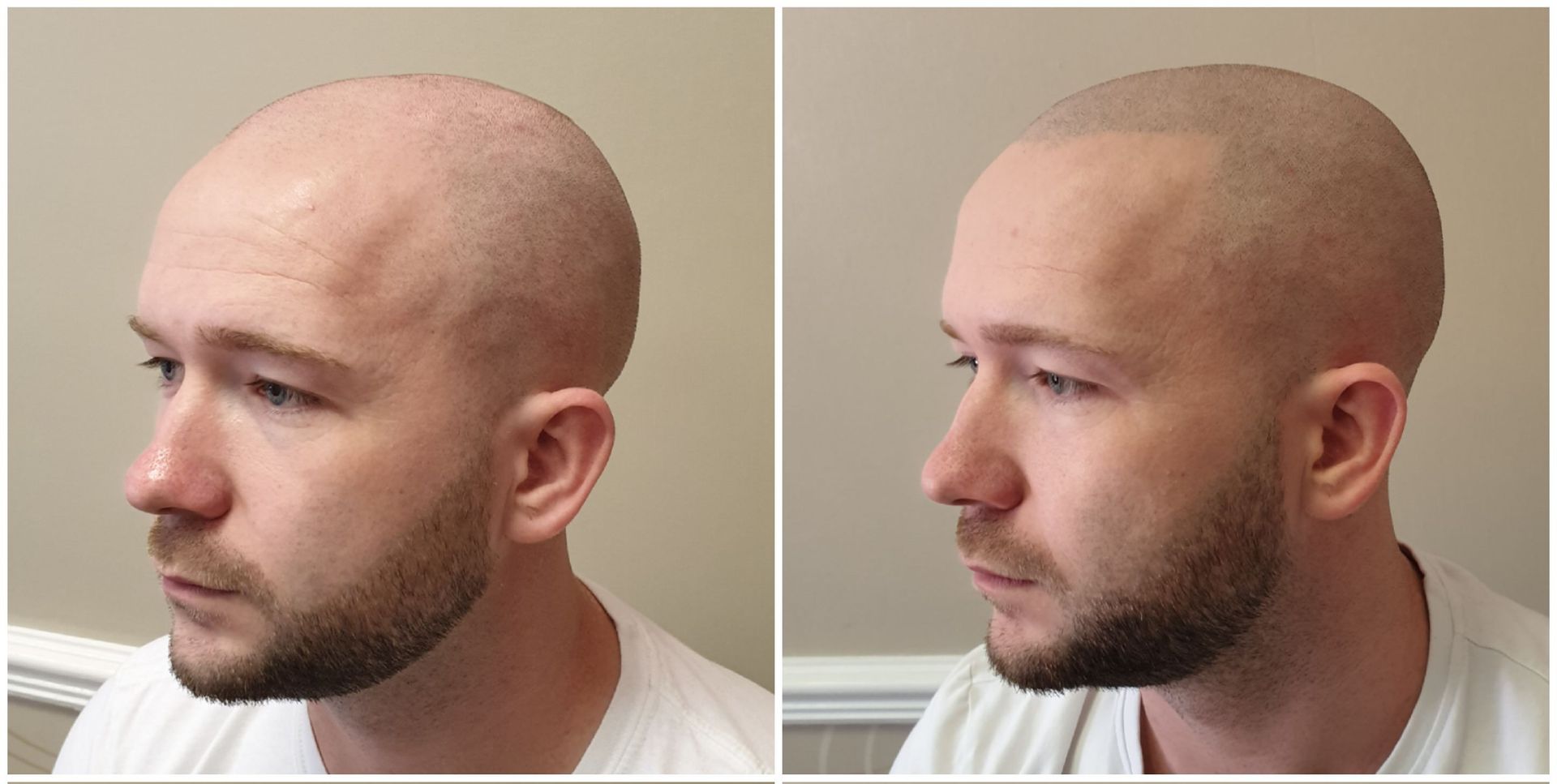
If you still have a reasonable amount of hair but your scalp is becoming visible through it, density SMP may help reduce that contrast.
Someone with thinning around their crown, for example, might notice a larger patch of scalp when standing beneath bright lights.
SMP places tiny pigment impressions between existing hairs, making the lighter scalp less prominent.
What we'd want to see is how much hair you still have around the thinning area, because the pigment needs something to blend with.
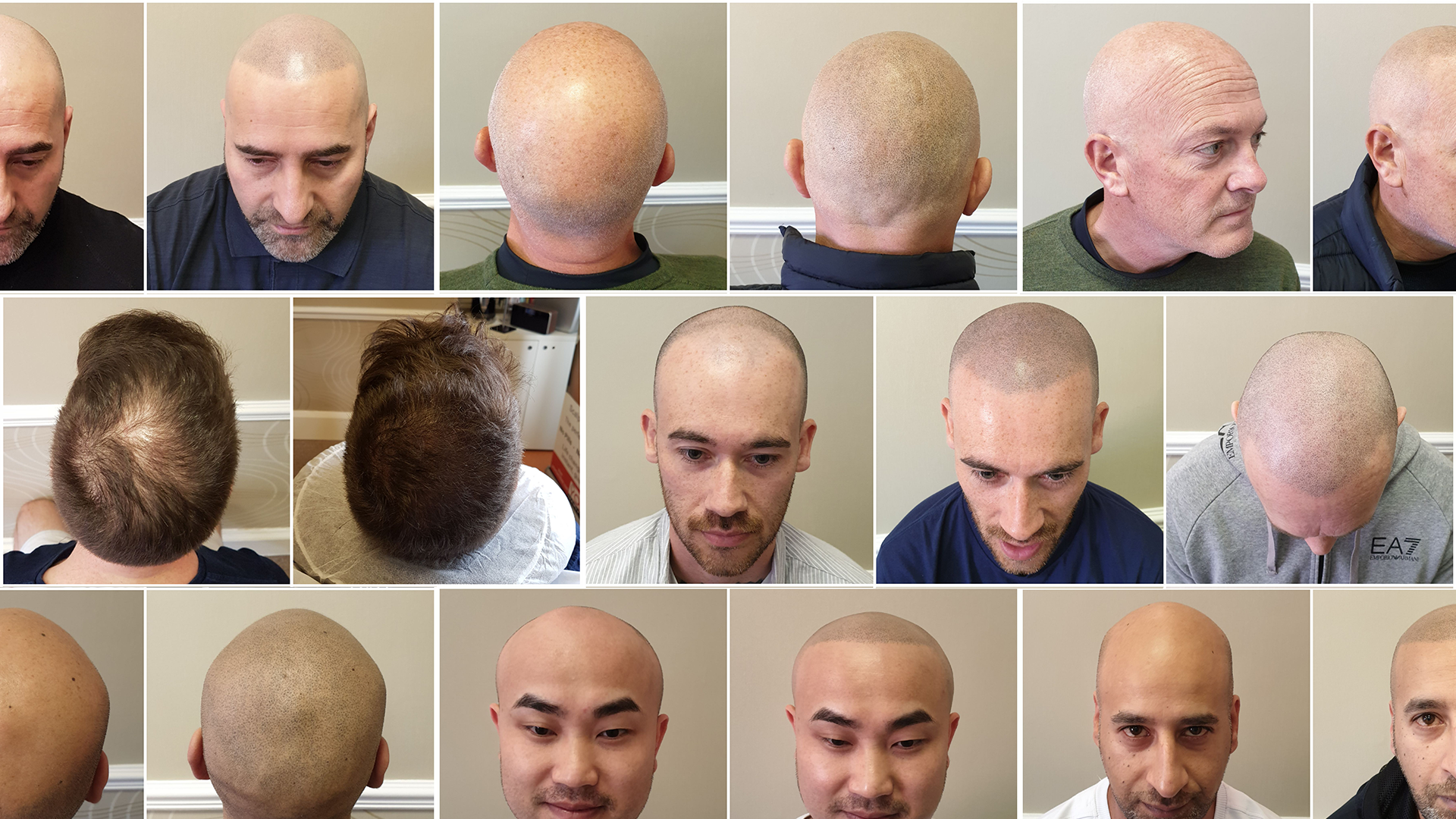
Our scalp micropigmentation treatments can be used to improve the appearance of density or create a shaved-head look, depending on your existing hair and what you'd prefer.

Work Out How Your Hair Loss Pattern, Remaining Hair and Preferred Hairstyle Affect Which Treatments Are Worth Exploring
Two people can have similar-looking thinning but need very different approaches.
One may have a type of hair loss that could respond to PRP or PRF, while the other may have limited remaining follicle activity and be better suited to cosmetic coverage.
The amount of hair still covering the scalp matters for density SMP too.
A thinning crown with plenty of surrounding hair offers different possibilities from a large area with very little coverage.
Your preferred hairstyle also influences the decision.
If you want to keep your hair longer, the options will differ from someone who's comfortable with a shaved look.
Sudden, patchy or unexplained hair loss should be medically assessed before committing to treatment. SMP won't stop further thinning, and growth-support treatments won't work for every type of hair loss.
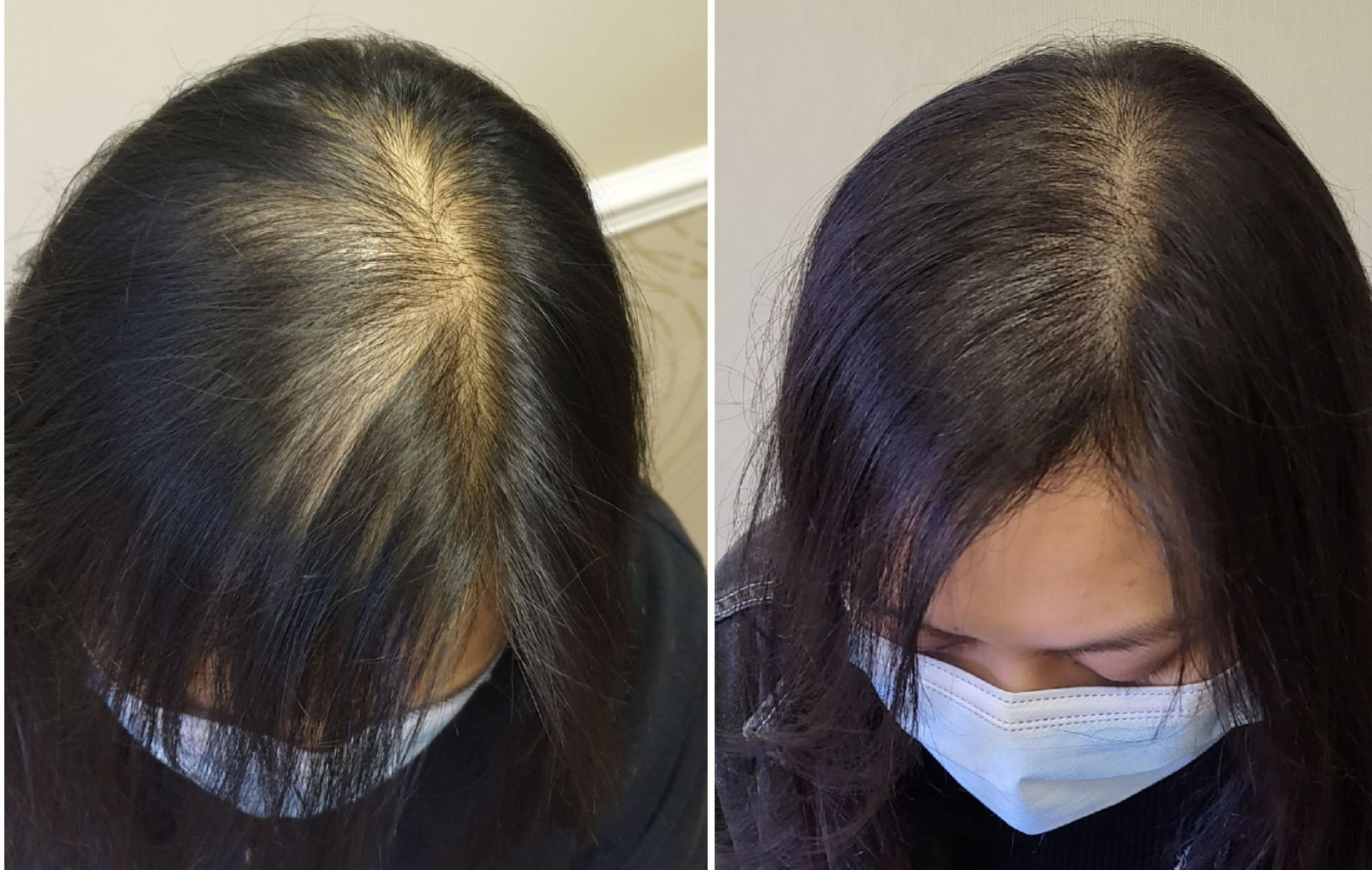
Benefit From Over 2,500 SMP Sessions, Harley Street Training and Practitioners Who Have Experienced Hair Loss Themselves
Choosing a hair loss treatment is a big decision, especially when you're unsure which approach will make the most difference.
At Your Hair Clinic, we offer PRP, PRF and scalp micropigmentation, so we can discuss different ways to address your concerns and help you understand which may be suitable.
Our experience goes beyond providing treatments.
Dwane and Glyn have both experienced hair loss and had SMP themselves, so they understand the questions that come with deciding what to do about your hair.
Here's what you can expect from Your Hair Clinic:
- Over 2,500 SMP sessions completed since opening in 2015: We've worked with different stages and patterns of hair loss, giving us extensive practical experience assessing where density SMP can help, when a shaved look may work better and how to design a result that suits your existing hair.
- Harley Street-trained, fully licensed and insured SMP specialists: Our training and experience inform the finer details of SMP, from hairline design to pigment placement. These decisions matter when you want a result that looks convincing in daylight, photographs and everyday situations.
- PRP, PRF and SMP available at one clinic: You can explore treatments aimed at supporting existing hair growth alongside options that improve the appearance of hair density. We'll discuss what each can realistically achieve, so you can make a decision based on your hair rather than choosing whichever treatment sounds most promising.
- Award-winning treatment and customer experience: Named Best SMP Clinic in the Midlands in 2023 and recognised for Best Customer Experience in 2025, our awards reflect both our specialist work and the attention we give to the people coming through our doors.
- A private, discreet clinic in Nottingham: Located in The Park, our clinic gives you a comfortable setting to discuss your hair loss, ask questions and review your options without feeling rushed or exposed.
We provide SMP services for people in the East Midlands:

Get Practical Answers About Treatment Sessions, Cost, Side Effects, Existing Hair and When Medical Advice May Be Needed
How long does PRP take to work for hair loss?
PRP treatment usually takes several months to produce noticeable changes, if your hair responds.
Some people notice reduced shedding first, while improvements in thickness or growth may take longer.
Results vary depending on the cause and extent of your hair loss, so it's worth discussing what progress would realistically look like before beginning a course.
How many PRP hair treatment sessions will I need?
PRP is usually delivered as an initial course rather than a single appointment.
Many treatment plans involve three sessions, followed by maintenance appointments where appropriate.
Your Hair Clinic offers a three-session PRP package, but the number of treatments worth pursuing will depend on your hair loss and response.
Are there any side effects from PRP or PRF hair treatments?
PRP and PRF involve injections into the scalp, so temporary tenderness, redness, swelling or bruising can occur.
Infection is an uncommon but important risk with injectable treatments.
Because both procedures use components from your own blood, the preparation process and sterile handling matter.
Discuss any medical conditions, medication or previous reactions with an appropriately qualified practitioner before treatment.
What happens during a PRP or PRF hair treatment appointment?
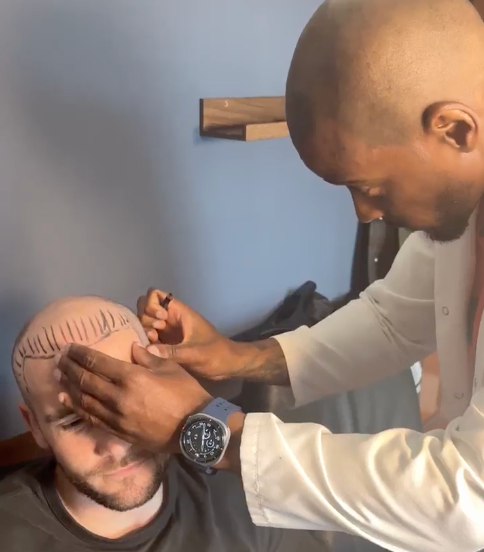
A small blood sample is taken and processed to prepare either platelet-rich plasma or platelet-rich fibrin.
The prepared material is then injected into the areas being treated.
You may experience some discomfort from the injections, and the scalp can feel tender afterwards.
Your practitioner should explain the procedure, possible side effects and aftercare before treatment begins.
Can scalp micropigmentation damage your existing hair?
Scalp micropigmentation is designed to place pigment in the skin rather than interfere with hair growth.
When performed correctly, it should not damage healthy follicles.
However, incorrect technique or poor hygiene can cause complications, including infection or scarring.
At Your Hair Clinic, the assessment also considers your existing hair so the pigment can blend with it effectively.
How much does SMP cost for thinning hair?
The cost of density SMP depends on the size of the thinning area and how much treatment is required.
A small area of visible scalp may need a different approach from extensive thinning across the crown or top of the head.
At Your Hair Clinic, a consultation is an opportunity to assess the area and discuss the treatment plan and relevant price before you commit.
How many scalp micropigmentation sessions will I need?
Most SMP treatments require multiple sessions to build the desired appearance gradually.
Around two to three sessions is common, although your individual plan may differ.
The area being treated, existing hair and intended density all influence the number required.
Your Hair Clinic can explain the proposed schedule during your consultation.
Should I see a doctor before choosing PRP, PRF or SMP?
If your hair loss is sudden, patchy, unexplained or accompanied by scalp symptoms, medical assessment should come first.
Hair loss can have several causes, and some require medical treatment rather than cosmetic intervention.
A GP or dermatologist can investigate the underlying problem.
Once that's understood, you can make a more informed decision about whether PRP, PRF or SMP is appropriate.

COMMITTED TO PRECISION
FULLY INSURED AND HIGHLY TRAINED TEAM
NATURAL AND LONG-TERM RESULTS
Talk Through Your Thinning Hair, Find Out Which Treatments May Be Suitable and Understand What You Could Realistically Achieve
You might be hoping to get more thickness from the hair you already have, make a thinning crown less noticeable or find a new look that suits you.
Whatever you'd like to achieve, we'll help you explore what's possible.
During your free consultation at Your Hair Clinic in Nottingham, we'll take a look at your hair, listen to what you'd like to change and talk you through the treatments that may suit you.
You'll leave with a better understanding of what each option involves, the improvements you could expect and what your next steps could look like.
Ready to do something about your thinning hair?
Book your free consultation and let's find out what could work for you.
LET US HELP YOU GET YOUR CONFIDENCE BACK
Book your free SMP consultation in the East Midlands today and take the first step toward restoring your hairline and confidence with Your Hair Clinic’s award-winning team.
Expert smp advice
Gain valuable insights, success stories, tips and expert advice on scalp micropigmentation (SMP) helping you make well-informed decisions about your hair restoration journey towards a renewed sense of confidence.